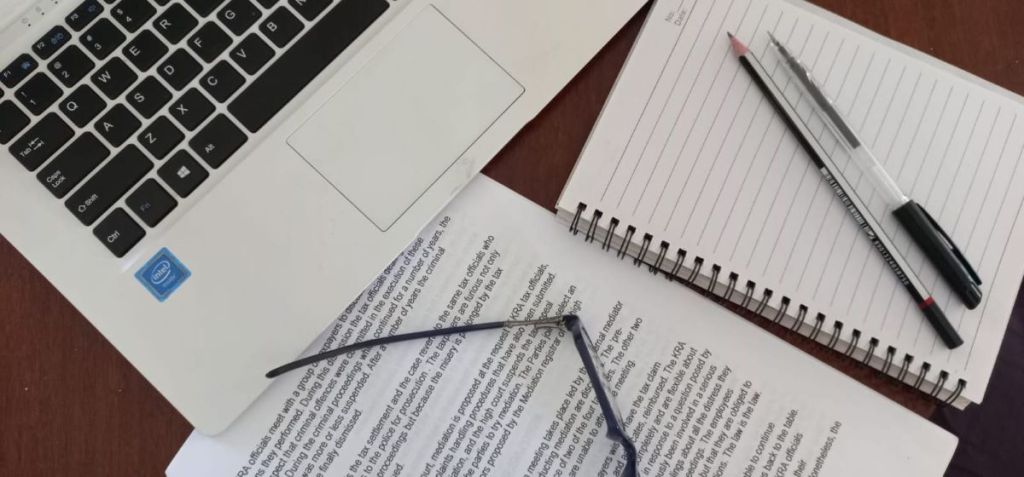
Finished typing? That is just the beginning. Real effort kicks in after the final word lands on screen. Shaping thoughts happens later, through careful review. Mistakes fade when attention tightens. Clarity grows when sentences get trimmed. Rough edges smooth out, one pass at a time. What was messy can become sharp. Words begin to fit better. Meaning becomes clearer. Reading improves without extra noise. Strong writing hides behind revision.
Ever attempted fixing your own writing? It sneaks past you every time. What you intended to write tricks your mind into missing errors. A solid method for checking work makes all the difference here. Because familiarity hides flaws, stepping back helps spot them.
Getting things done easier means paying attention to how you write. A different approach might help when sentences feel clunky. Try switching up structure if it sounds off. Words flow better when they’re not forced into patterns. Sharp writing often comes from small changes made quietly. Smoothness shows up when rhythm feels natural, not pushed.
1. Pause Before Editing
After completing a first version, hold back from making changes right away. Take time off – several hours works, but sleeping on it is smarter. When you return, small mistakes become clear: odd phrasing, gaps in logic, points that lack strength. Distance reveals what closeness hides.
2. Begin with the Big Picture
Finding spelling mistakes matters – save it for last. Start by questioning:
Is this passage clear? Might it confuse someone?
Is there an obvious order that guides you through it?
Does each key idea have a clear illustration backing it up?
Trim loose ends. Rearranging sections might help clarity emerge. See it like carving stone – keep chipping till only truth remains visible.
3. Read Out Loud
Odd as it sounds, speaking your words out loud catches tangled phrases fast. A hitch in your voice when reading? That spot will snag readers in the same way. Hearing the rhythm reveals gaps eyes tend to skip. Sentences that trip up your mouth often leave others puzzled. The ear notices what the mind overlooks during silent scans.
4. Use Tools (But Don’t Rely on Them)
Start by trusting your own words more than any app ever could. Tools like Grammarly or Hemingway might catch a typo here, yet they miss the rhythm only you bring. While artificial aids suggest changes now and then, they cannot grasp why a phrase matters. Your meaning stays yours alone, untouched by code. Lean on support when stuck. Still, never hand over control completely.
5. Focus on Common Trouble Spots
Writers often fall into patterns without noticing. Perhaps those tiny words like “just” or “really” pop up too much, cluttering things. Long stretches between periods might be your thing. Passive constructions could sneak in more than you think. Spotting these means building a list that’s yours alone – specific, sharp. Hunt down each one, not all at once but with purpose.
6. Proofread in Layers
Start by skimming just to spot obvious errors. Then go again, focusing only on how ideas connect. A third time, pay attention to word choice alone. Each round has one clear purpose. This way, small issues get noticed. Big problems become clearer, too.
Pass 1: Organization and understanding
Pass 2: Grammar and word selection
Pass 3: Fix spelling errors and correct punctuation and layout
One thing at a time means fewer missed steps. Slower pacing helps everything stick around longer.
7. Print It Out (or Change the Format)
Words start doing strange things once you stop staring at them. Try holding a printed version – your eyes catch what screens hide. Swap fonts, just because. A sudden shift, like moving rooms, shows mistakes that vanished earlier. Reading on a small screen often reveals what big ones disguise. The brain stumbles upon its own blind spots when the layout changes.
8. Get Another Set of Eyes
Someone else might see what you’ve missed. Try handing your words to a different pair of eyes when you can. Confusion often hides where you think everything makes sense. Trade pages with another writer if no editor is around, or find a friend who won’t mind reading it through.
Conclusion
Polishing words works like cleaning glass – smudges hide what shines underneath. Not fixing errors, just helping sense come through clean. Imagine shaping clay slowly until the form feels right. Clarity shows up when clutter steps aside. Good reading flows best without noticing effort at all. A steady hand brings out the shine that was stuck beneath dust.
 scribesupreme.blog
Leave a comment